


AdvertisementJapanThis Week in AsiaHealth & EnvironmentAs Japan enters hay fever season, pollen levels may surge due to ‘horribly high’ summer
The extreme heat in Japan last summer has led to more pollen-producing male flowers blooming across the country
Reading Time:3 minutesWhy you can trust SCMP
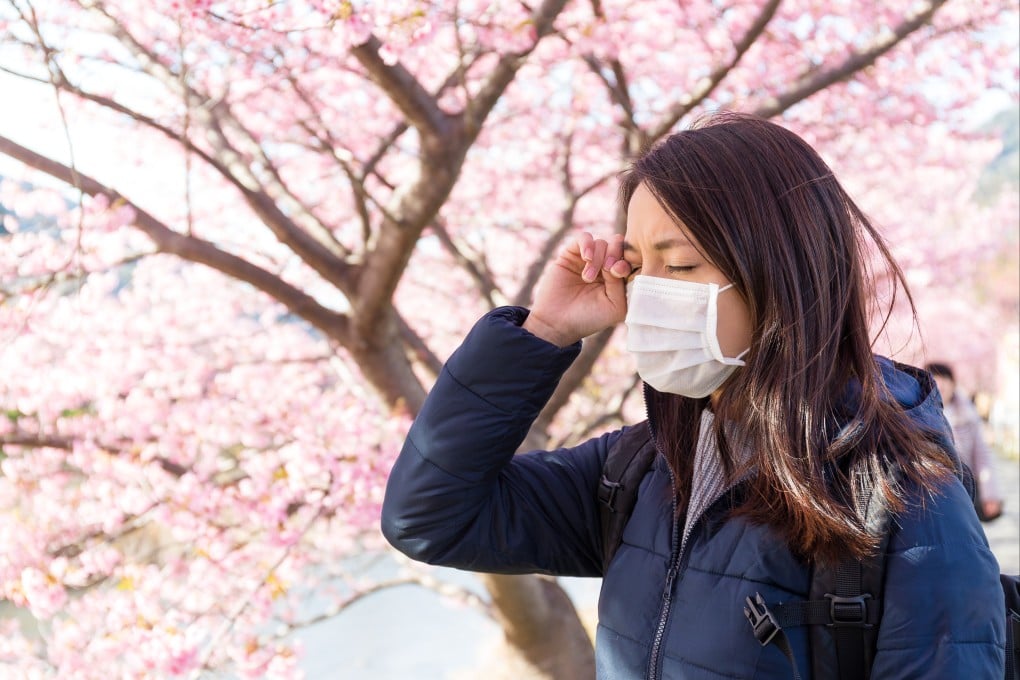
Japan’s hay fever sufferers have been warned to brace themselves for significantly higher levels of pollen this spring, with some already reporting having runny noses and itchy eyes for days.
Hay fever season typically starts in Tokyo and eastern parts of the country in early February, peaks towards the end of the month and eases from mid-March. It affects the southern and other parts of the country slightly later.
According to Weathernews, a weather information company which monitors the dispersal of pollen from cedar and cypress trees, the pollen count in 2026 is likely to reach 28 per cent higher than an average year across Japan, with the Akita prefecture likely to see pollen levels six times higher than last year.
Advertisement
Data from the company on Thursday shows about 10 per cent of Japanese said they were experiencing serious symptoms of hay fever, while 15 per cent said they were having health difficulties, and 31 per cent reported having some symptoms of the disease.
The elevated levels of pollen in the air are a consequence of last summer’s extreme heat, which promoted the growth of male flowers that produce pollen, according to medical experts.
Advertisement
“Temperatures across Japan were horribly high for a long time last summer, which means there has been more pollen released this spring,” said Yoshihiro Koseki, director of the Jingumae Ear, Nose and Throat Clinic in Tokyo.
AdvertisementSelect VoiceSelect Speed0.8×0.9×1.0x1.1×1.2×1.5×1.75x1.00x