

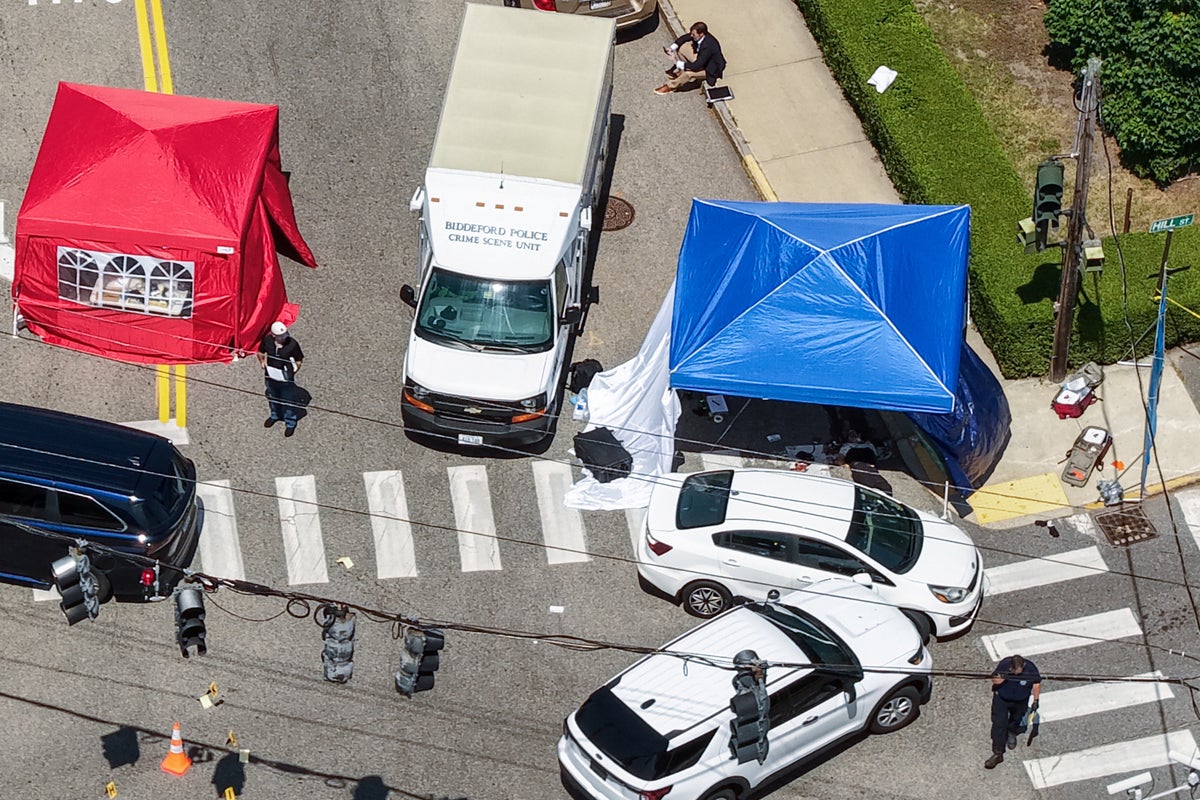
Immigration and Customs Enforcement agents have reportedly been instructed to no longer perform traffic stops after officers fatally shot drivers in Texas and Maine within a week.
The guidance marks a major policy shift in the Trump administration’s sweeping efforts to swiftly arrest and deport tens of thousands of people under a government-wide mass deportation campaign.
New guidance for ICE’s Enforcement and Removal Operations officers reportedly instructs agents to work with partner agencies to perform the stops if executing a criminal warrant, according to sources speaking to CNN and CBS.
“We are always evaluating our procedures to keep our officers safe and criminals off our streets. We will not disclose or discuss law enforcement tactics,” a spokesperson for ICE told The Independent.
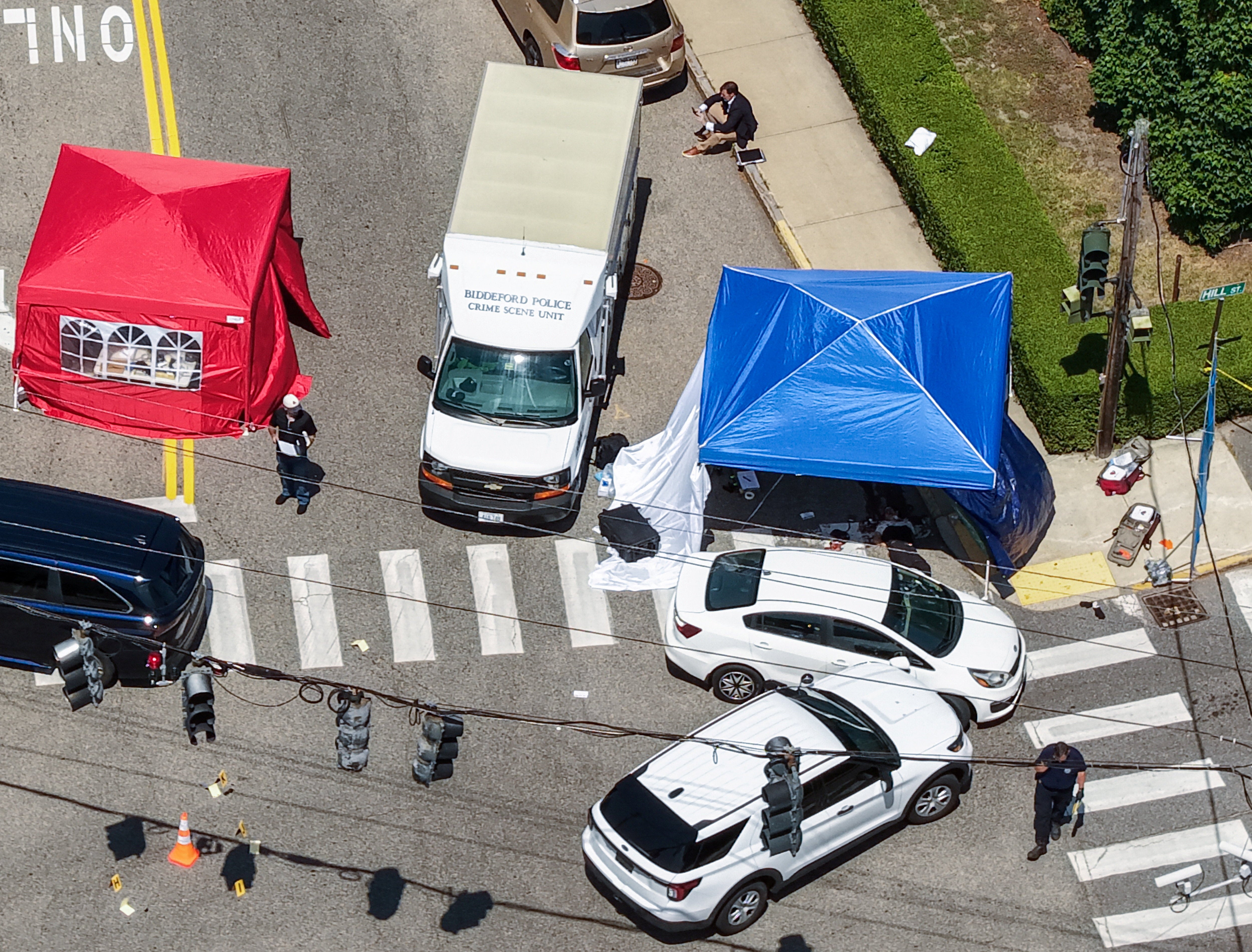
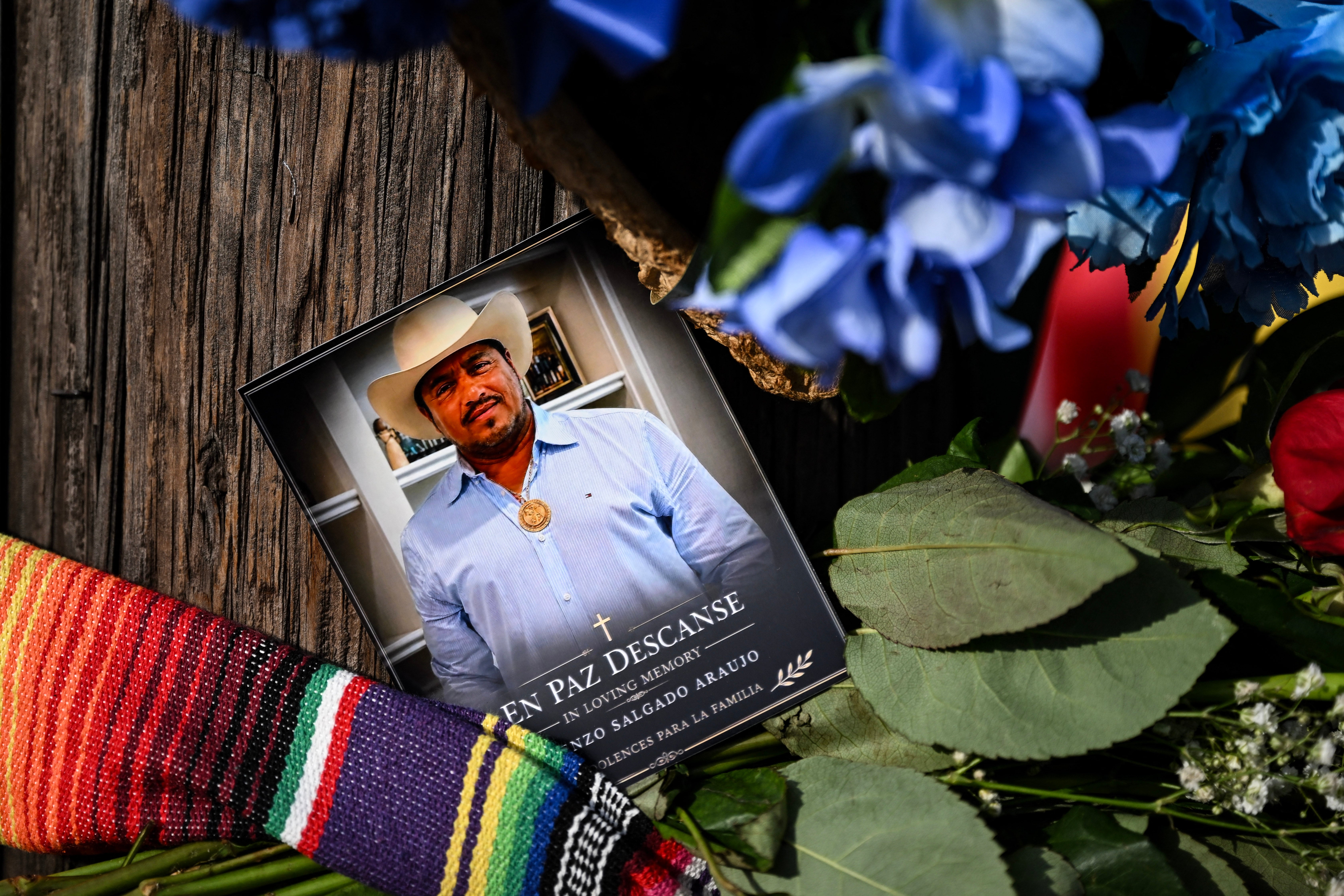
Joan Sebastian Guerrero, a 28-year-old Colombian man living in Maine, was at least the 11th person fatally shot by federal immigration agents since the beginning of Donald Trump’s second administration. Less than one week earlier, agents killed Lorenzo Salgado Araujo, a 52-year-old father of three children who was shot in his car on his way to work in Houston.
 open image in gallery
Homeland Security has routinely justified shootings with claims that a suspect has tried to run over agents only for evidence to emerge that contradicts the government’s statements. The administration’s initial statements in the wake of Salgado Araujo’s shooting have also come under intense scrutiny after witnesses disputed the government’s official narrative.
Agents have shot at least 20 people within the last year, and nearly all of them were in their cars.
More than 11 hours after an officer fatally shot Guerrero on Monday morning, a spokesperson for ICE said officers “attempted to conduct a vehicle stop” when “the vehicle attempted to flee the scene.” An officer who was “fearing for public safety” then fired his weapon, according to the spokesperson.
Guerrero was not the target of an arrest, Maine Sen. Angus King said Monday after speaking with Homeland Security Secretary Markwayne Mullin. None of the officers were wearing body-worn cameras, the senator said.
 open image in gallery
Lorenzo Salgado Araujo, an undocumented Mexican national who has lived in the U.S. for 35 years, was also not the intended target of an ICE traffic stop that led to his death in Houston, according to officials.
The witnesses in the car with him — Salgado Araujo’s brother and two of their coworkers — were also reportedly not the targets of the stop.
Hours after his death, Homeland Security claimed Salgado Araujo tried to “evade arrest” and “weaponized his vehicle” in an attempt to “run over” an ICE officer who then fired “in self-defense.”
The witnesses have vehemently denied ICE’s version of events, and Homeland Security officials have also admitted that the agents at the scene were not wearing bodycams.
Now-former Homeland Security Secretary Kristi Noem promised to “rapidly acquire and deploy body cameras” in the wake of the shooting of Alex Pretti and Renee Good in Minneapolis in January. In April, Congress approved another $20 million to Homeland Security for “the procurement, deployment and operations of body-worn cameras” for immigration officers.
Homeland Security said a partial government shutdown — which the agency blamed on congressional Democrats — prevented the agency from buying bodycams. The agency also received billions of dollars in new funding as part of Trump’s sprawling domestic spending bill last year,
Department of Justice policy prohibits officers from firing at a moving vehicle unless there is “no other objectively reasonable means of defense appear to exist, which includes moving out of the path of the vehicle.”
Homeland Security’s use-of-force policy similarly states that firing at a driver is “prohibited” unless there’s a “reasonable belief that the subject of such force poses an imminent threat of death or serious bodily injury.”
Deadly force is forbidden when solely trying to stop a car, according to federal guidelines.