


 Close
CloseThe European Union on Friday decided to indefinitely freeze £184 billion worth of Russia’s assets, so that Hungary and Slovakia, two countries with friendly relations with Moscow, cannot prevent billions of euros from being used to support Ukraine.
Hungary and Slovakia have opposed providing more support to Ukraine in the past, but today’s decision prevents them from blocking the sanctions rollover and makes it easier to use the assets.
The move also stops the assets, estimated to total around 210 billion euros ($247 billion), from being used in any negotiations to end the war without European approval.
EU Council President António Costa said European leaders had committed in October “to keep Russian assets immobilised until Russia ends its war of aggression against Ukraine and compensates for the damage caused. Today we delivered on that commitment.”
A 28-point plan drafted by U.S. and Russian envoys stipulated that the EU would release the frozen assets for use by Ukraine, Russia and the United States. That plan, which surfaced last month, was rejected by Ukraine and its backers in Europe.
Recommended
 Europe should prepare for war ‘like our grandparents endured’, warns Nato chief
 Ukrainian navy cripples Russian shadow fleet tanker with sea drone strike
 Tributes paid to ‘born soldier’ British paratrooper killed in Ukraine
 Zelenskyy will hold urgent talks with 30 countries as Trump pushes for swift peace deal with Russia
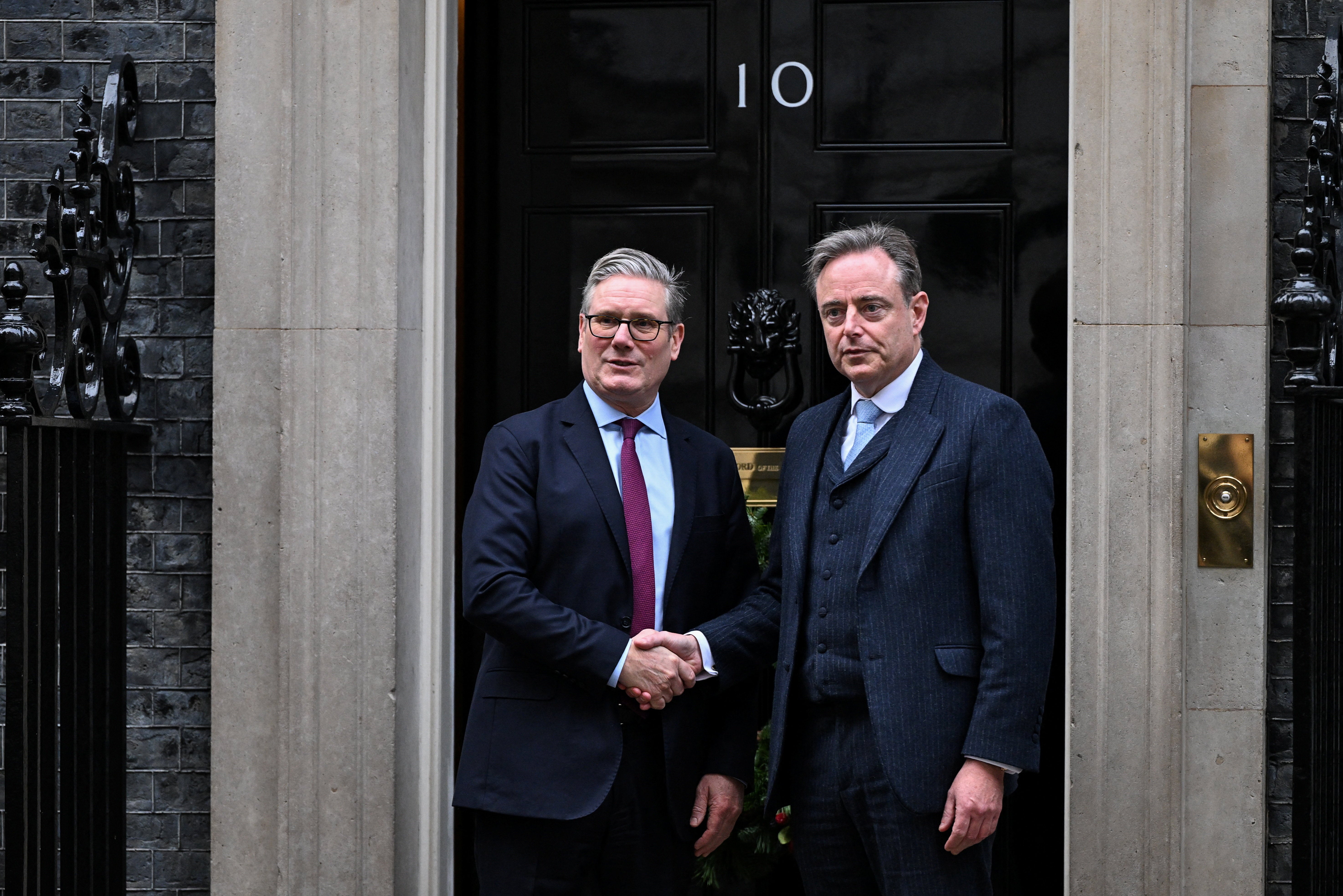
We will work with the UK to ensure Ukraine stays free, says Belgian PM
Belgian PM Bart De Wever said "we and the UK will work together" to "get the certainty that Ukraine will stay free" while on a visit to Downing Street on Friday.
The Belgian prime minister said: "Our relationship with the UK is much older than the European Union. It goes back to the Middle Ages.
"You have always been our ally, always been our friend. There's never been an English soldier in an unfriendly manner on our soil."
Daniel Keane12 December 2025 20:00
EU indefinitely freezes Russia's assets to support for Ukraine
The European Union on Friday decided to indefinitely freeze Russia’s assets, so that Hungary and Slovakia, two countries with friendly relations with Moscow, can’t prevent billions of euros from being used to support Ukraine.
A special procedure, usually reserved for economic emergencies, was used to block the Russian assets until Russia gives up on the four-year war against Ukraine and compensates its neighbour for damage.
EU Council President António Costa said European leaders had committed in October “to keep Russian assets immobilized until Russia ends its war of aggression against Ukraine and compensates for the damage caused. Today we delivered on that commitment.”
The move also stops the assets, estimated to total around 210 billion euros ($247 billion), from being used in any negotiations to end the war without European approval.
A 28-point plan drafted by U.S. and Russian envoys stipulated that the EU would release the frozen assets for use by Ukraine, Russia and the United States. That plan, which surfaced last month, was rejected by Ukraine and its backers in Europe.
Hungary and Slovakia oppose providing more support to Ukraine, but Friday’s decision prevents them from blocking the sanctions rollover and make it easier to use the assets.
Shaheena Uddin12 December 2025 19:00
Watch: Ukrainian sea drone hits Russian shadow fleet tanker in Black Sea
Daniel Keane12 December 2025 18:00
What is the EU's plan to use frozen Russian assets for Ukraine?
Europe has floated an unprecedented use of frozen Russian assets to raise some £80bn for Ukraine to cover its struggling military and put pressure on Putin to end the war.
The money would support military costs and help cover basic services crippled by nearly four years of conflict.
Ursula von der Leyen, the European Commission president, estimated the loan would cover two-thirds of Ukraine’s funding needs for the next two years. Other partners could cover the rest, she said.
Britain also holds about £25bn of frozen Russian assets and is looking to coordinate with EU states to tap the assets. Some €290bn (£250bn) were frozen in the West after Russia’s full-scale invasion.
My colleague James C. Reynolds has more details below.

How the EU plans to use £80bn of frozen Russian assets to fund Ukraine’s war effort
Ukraine’s allies in Europe are trying to find support for harnessing frozen Russian assets againDaniel Keane12 December 2025 17:00
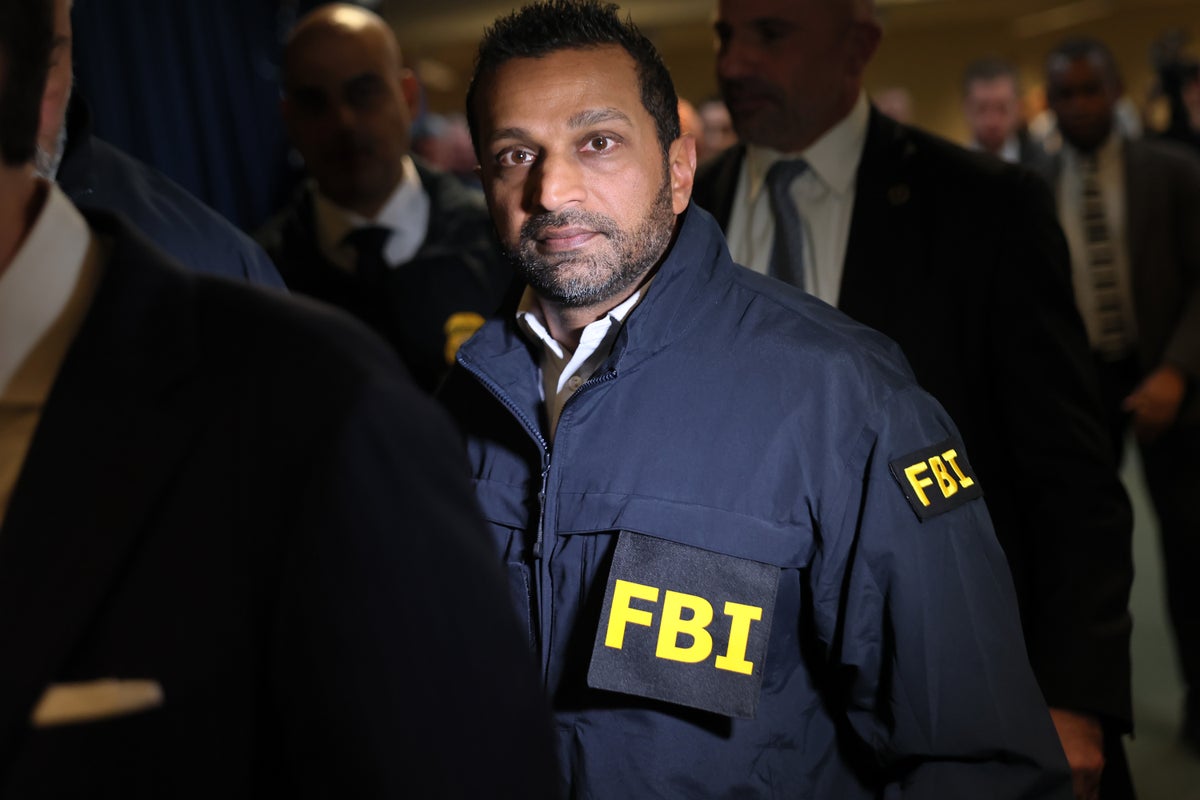
President Volodymyr Zelensky’s top representative Rustem Umerov held secret talks with FBI director Kash Patel and his deputy Dan Bongino according to the Washington Post.
Officials worry that Ukrainian representatives could be seeking an amnesty from corruption allegations, while others are suspicious the discussions could be used to exert pressure on Ukraine to accept a peace deal.
Olha Stefanishyna, Ukrainian Ambassador to Washington, confirmed Umerov’s meeting with the FBI, telling the publication he “only covered national security related issues” that could not be publicly disclosed.
An FBI official said the discussion focused on shared law enforcement and national security and white collar corruption was not the main focus despite it being mentioned and called other theories as to the purpose of the meeting “complete nonsense”.
A White House official said: “U.S. officials regularly communicate with world leaders about national security issues of shared interest.”
They added that those concerned “are not privy to these diplomatic conversations and have no idea what they are talking about.”
A representative of Zelensky’s office declined to comment on specific meetings but said “it is stupid to link everything to ‘corruption.’”
Maira Butt12 December 2025 16:44
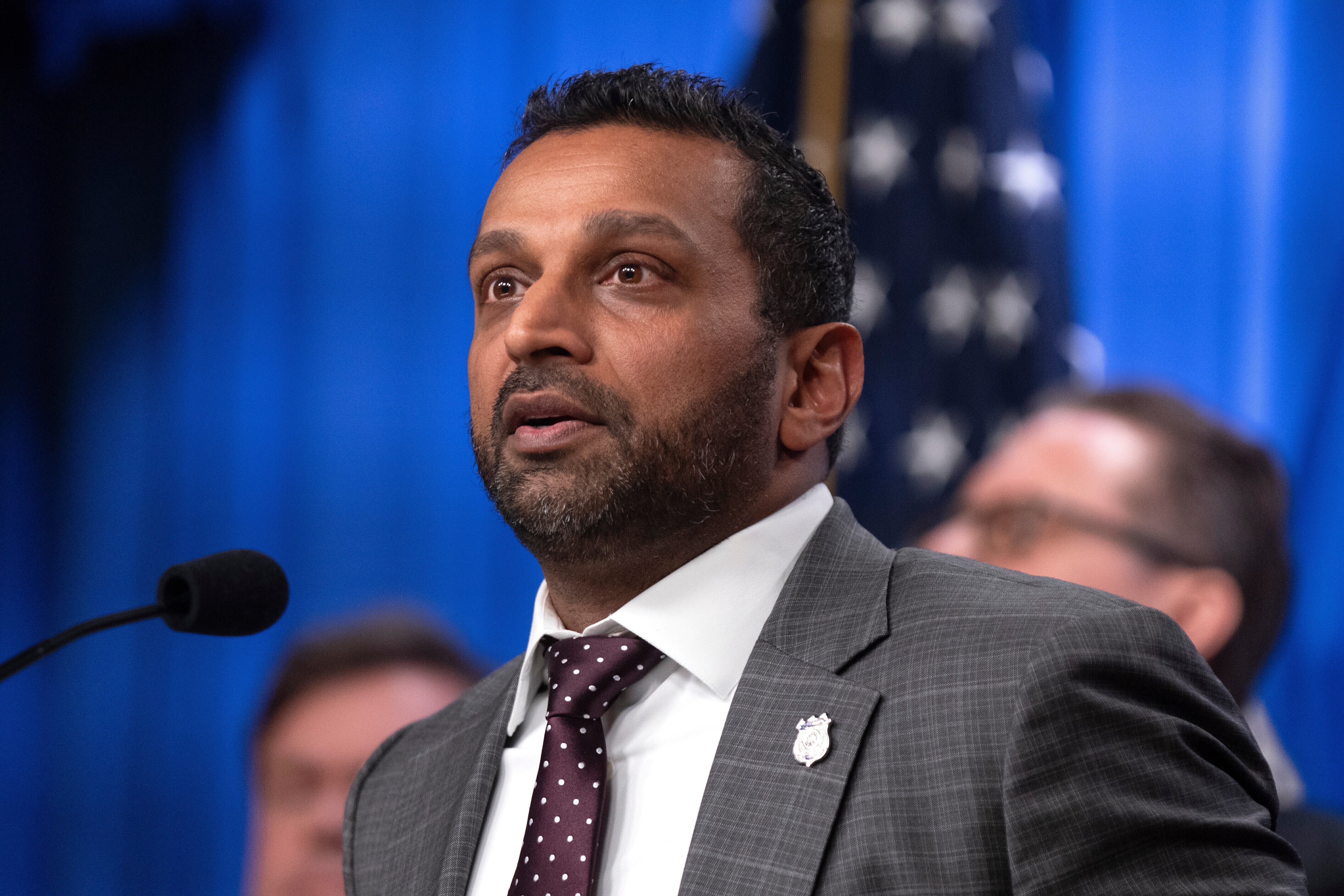
FBI held secret talks with Ukrainian negotiators
President Volodymyr Zelensky’s top representative Rustem Umerov held secret talks with FBI director Kash Patel and his deputy Dan Bongino according to the Washington Post.
Officials worry that Ukrainian representatives could be seeking an amnesty from corruption allegations, while others are suspicious the discussions could be used to exert pressure on Ukraine to accept a peace deal.
Olha Stefanishyna, Ukrainian Ambassador to Washington, confirmed Umerov’s meeting with the FBI, telling the publication he “only covered national security related issues” that could not be publicly disclosed.
An FBI official said the discussion focused on shared law enforcement and national security and white collar corruption was not the main focus despite it being mentioned and called other theories as to the purpose of the meeting “complete nonsense”.
A White House official said: “U.S. officials regularly communicate with world leaders about national security issues of shared interest.”
They added that those concerned “are not privy to these diplomatic conversations and have no idea what they are talking about.”
A representative of Zelensky’s office declined to comment on specific meetings but said “it is stupid to link everything to ‘corruption.’”
Maira Butt12 December 2025 16:40
Flamingo missiles could punch through Russia's air defences, says report
Ukraine's domestically produced “Flamingo” missiles could deal a crushing blow to Russia's air defences, a new report has claimed.
The report, from the Royal United Services Institute (RUSI), says there are "significant vulnerabilities" Moscow's most important air defence systems that can be exploited by Kyiv’s domestic missile.
Kyiv says that it’s Flamingo missile has a range of 3,000km and a 1,150kg warhead.
The report claims that Ukraine could use the missiles to deal significant damage to Russia’s Pantsir air defence system, “ironically resulting in limiting Russia’s ability to defend other targets over the course of 2026”.
"These are but a fraction of the points of vulnerability identified in Russia’s integrated air defence production," it adds.
Daniel Keane12 December 2025 16:00
Kremlin says Russian police will remain in Donbas under peace deal
A senior Kremlin official says that the Russian police and National Guard will remain in eastern Ukraine's Donbas even if a peace settlement ends the nearly four-year war.
It is a possibility that is likely to be rejected by Ukrainian officials as US-led negotiations for peace drag on.
Moscow will give its blessing to a ceasefire only after Ukraine's forces have withdrawn from the front line, Kremlin adviser Yuri Ushakov said in comments published in Russian business daily Kommersant.
Mr Ushakov told Kommersant: "It's entirely possible that there won't be any troops (in the Donbas), either Russian or Ukrainian" in a post-war scenario.”
But he said that "there will be the National Guard, our police, everything necessary to maintain order and organise life".
Daniel Keane12 December 2025 15:25
Zelensky appears at Kupiansk frontline after Ukrainian troops regain territory
President Volodymyr Zelensky made an appearance at the frontline in Kupiansk on Friday, where Ukrainian troops say they have retaken key parts of the town as well as surrounding villages.
“Today, it is extremely important to achieve results on the front lines so that Ukraine can achieve results in diplomacy,” he said wearing a bulletproof vest in a video of him in front of the city’s entrance.

Maira Butt12 December 2025 15:00
Vessel on fire after Russian attack on Ukraine's Odesa region
A civilian vessel caught fire after a Russian attack on Ukraine' southern Odesa region port hub on Friday, two sources familiar with the matter told Reuters.
They gave no additional details. Ukraine's airforce reported missile and drone attacks on the region.
Daniel Keane12 December 2025 14:48NewerOlder