

AdvertisementChina-Japan relationsChinaDiplomacyWhy China is turning down the nationalist heat in its row with Japan
With economic stakes high, Beijing seen as ‘more cautious in handling external frictions’, avoiding fanning of ‘uncontrollable’ nationalism
Reading Time:6 minutesWhy you can trust SCMP2
Jane Caiin Beijing
A little over a decade ago, a diplomatic row with Japan would have been enough to bring people out into the streets in China or at least stir a patriotic retail boycott.
In 2012, for instance, tensions boiled over after Tokyo bought and then nationalised three of the Diaoyu Islands, a group of eight uninhabited islands in the East China Sea that Japan calls the Senkakus.
China and Japan have a long-running territorial dispute over the islands and authorities appeared to tolerate the anti-Japanese demonstrations that broke out in many Chinese cities that year, including attacks on Japanese cars and stores.
Advertisement
Fast forward to 2026 and Beijing and Tokyo are at odds again – this time over Taiwan, an issue that Beijing regards as the reddest of its red lines.
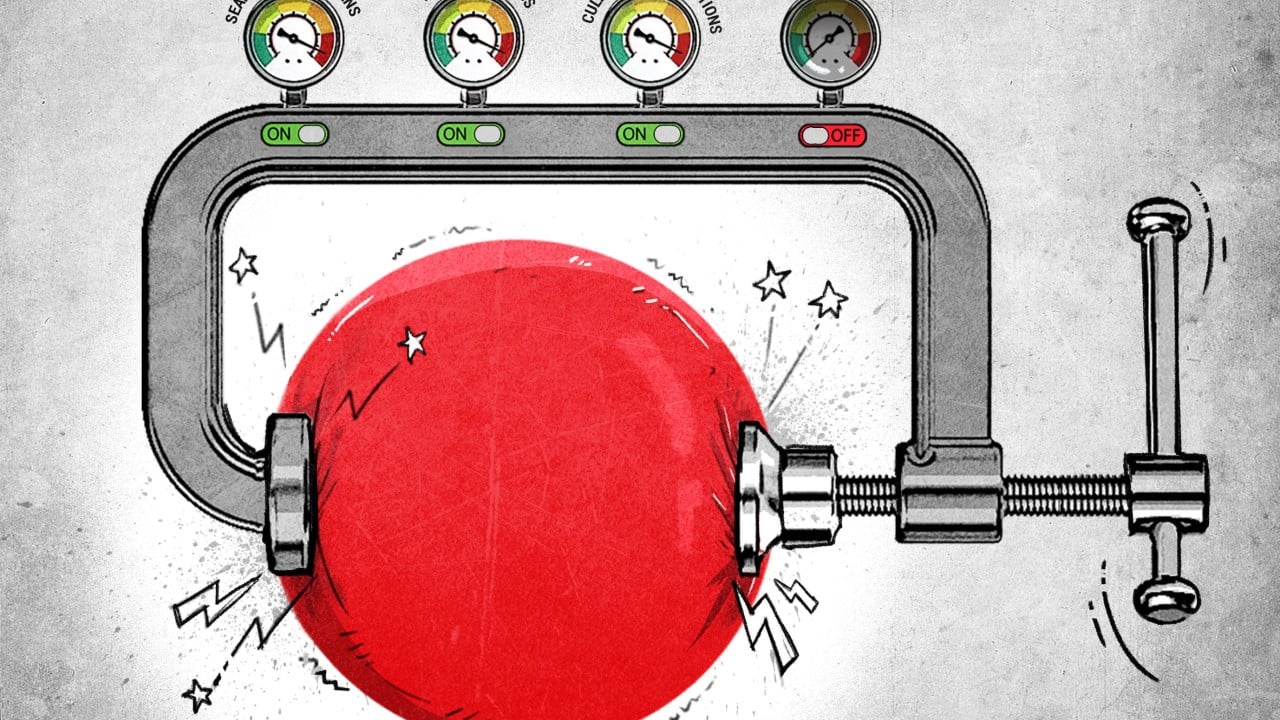
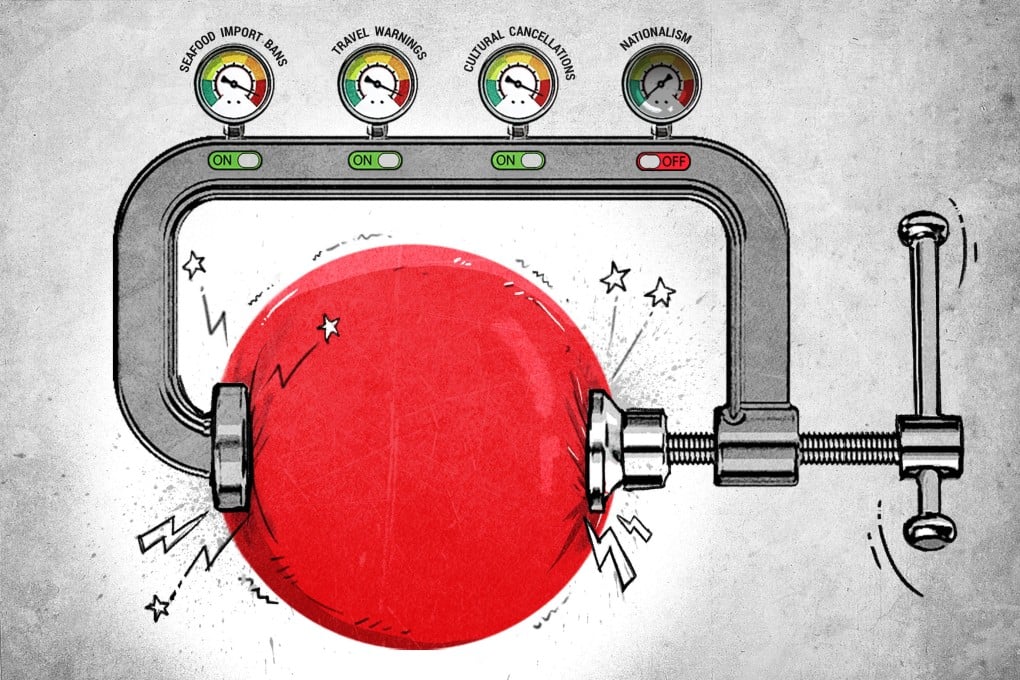
But this time the nationalist flames have not been fanned and Japanese property remains untouched. The stakes are arguably higher but the response has been targeted diplomatic and economic pressure.

04:47
Why have Takaichi’s Taiwan comments sent China-Japan ties into a tailspin?
Why have Takaichi’s Taiwan comments sent China-Japan ties into a tailspin?
Much of the tactical shift, observers say, comes down to one big thing: economics.
AdvertisementAdvertisementSelect VoiceChoose your listening speedGet through articles 2x faster1.25×250 WPMSlowAverageFast1.25x